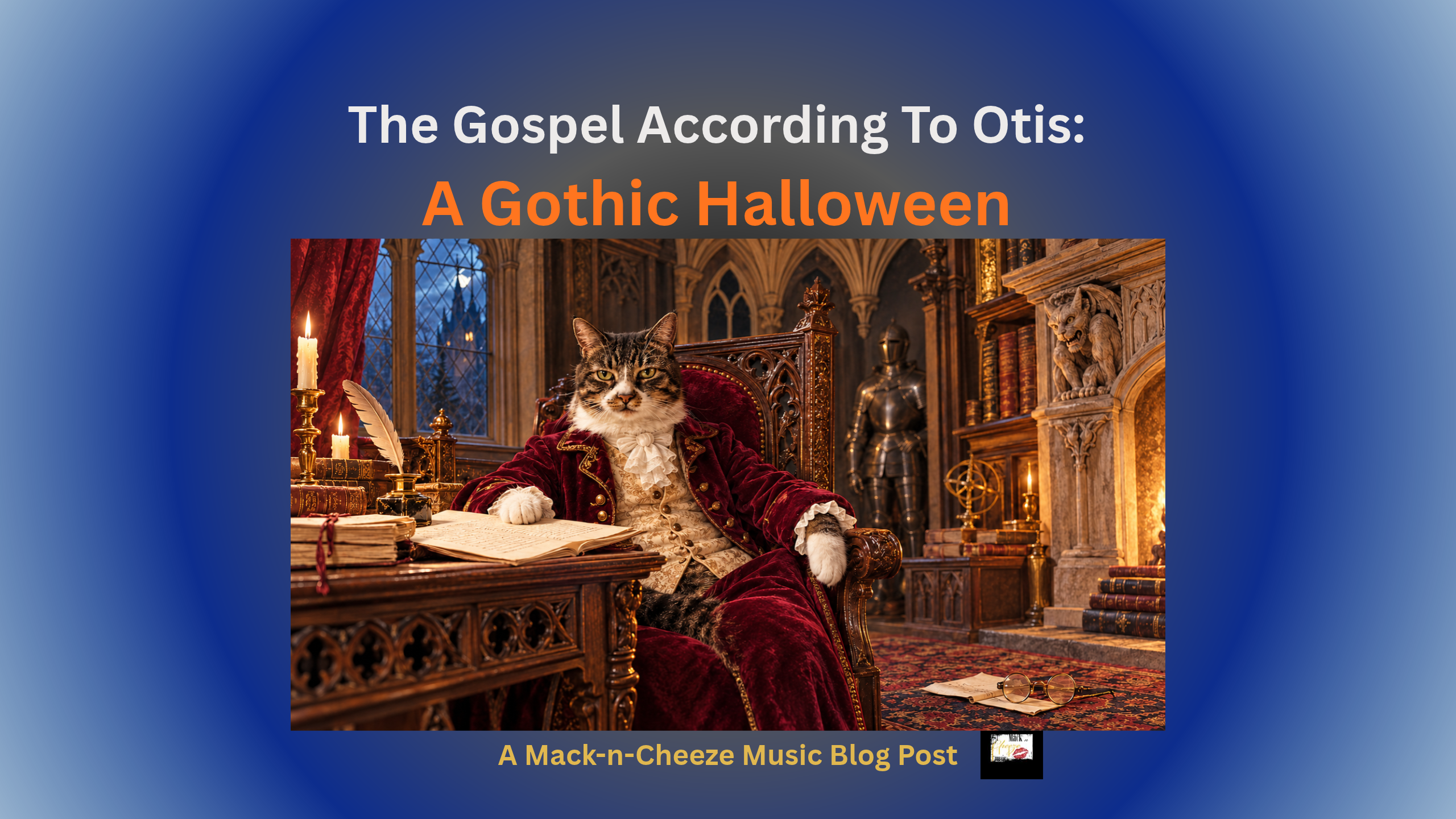
I have generally found Georgian sensibilities excessively concerned with decorum, but the arrival of Gothic fiction marked a most welcome deterioration in English cultural standards.

Admittedly, some of it was rather tawdry, but one must make allowances when humans first discover the pleasures of misbehaving.
Eighteenth-century Britain took considerable pride in its proper behavior. Yet behind the carefully maintained facade of Georgian respectability lurked an appetite for the macabre that Gothic novelists were only too delighted to satisfy.
For once in the history of human artistic achievement, I found remarkably little to criticize.
There is much more to discuss, of course, but I see little point in explaining what the ordinary Felis Catus knows.
The parallels between Gothic literature and feline nature are almost embarrassingly obvious.
Both thrive in darkness, regard locked doors as personal affronts, and understand the value of an unexplained disappearance.
Even the sexual scandals that so offended Georgian society would scarcely raise an eyebrow among those of us carousing in back alleys.
The Georgians called it moral depravity. We ask, “Is it Saturday night, already?”

How might you use fear, mystery, or suspense to make your own creative work more compelling?
Now we’re talking. Show, don’t tell, our dark nemesis.
Can We Help You?

Continue The Journey
Should you find these observations worthy of sharing, you are encouraged to do so. Your comments are equally welcome, and a subscription would demonstrate exceptionally sound judgment.
Otis remains grateful for your continued patronage. He sees no reason to conceal his appetite for admiration.
Because sometimes the wisest person in the studio has four paws.

Want More Mack-n-Cheeze?
Videos - Bryan At Mackncheeze on YouTube
Podcasts – Bryan At Mackncheeze Apple Podcasts, Fountain, Spotify