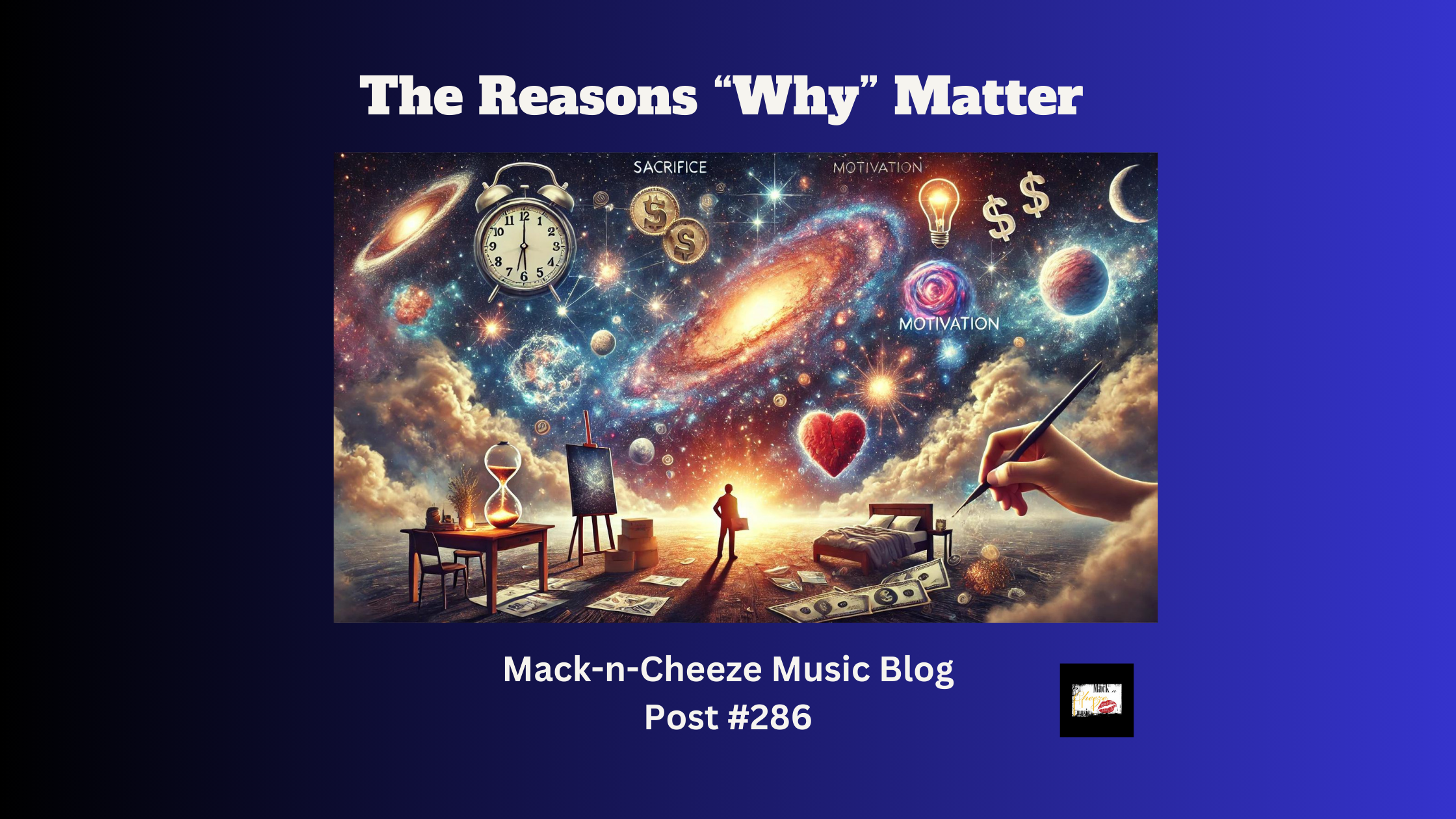
Why do you want excel as an artist? How far and deep are you willing to sacrifice your resources to achieve the desires of your heart? How far are you willing to commit to your creativity. What are the the things that motivate you?
Estimated reading time: 9 minutes

Table Of Contents
Emotions fuel our art. They give life to our work. They make us passionate and drive us to create. But emotions can also lead us astray. They can cloud our judgment.
Rationality helps us plan and stay on course. It keeps us grounded. It makes us think about the long-term consequences of our actions. But too much rationality can stifle creativity. It can make us second-guess ourselves.
Artistic excellence comes from balancing these forces. Understanding what motivates us is key. It’s about knowing when to follow our hearts and when to use our heads. This balance shapes our journey as artists.
Why: Emotions vs. Rationality

Emotions are immediate. They hit us without warning. They are raw and powerful. Sometimes, they are irrational. But they tell us what we value. They reveal our needs.
Rationality is different.
Slow and deliberate thinking is the cornerstone of thoughtful creation. Taking the time to ponder, reflect, and consider each step of the creative process can set your work apart. It’s the antithesis of haste, allowing for a depth and quality that rushed decisions often lack.Slow and deliberate.
Deciding to think things through is choosing the harder, longer path. Better outcomes are the result. Not rushing to conclusions is about examining your thoughts from all sides. This approach values patience over haste, depth over shallowness, and clarity over confusion. Allowing ideas to mature, your results can be more lasting and meaningful. This is the true artist’s path, where quality and deliberation reign supreme.
Rationality helps us plan and consider the long-term.
In the creative process, we need both. Emotions drive us to start. They give us passion. Rationality helps us finish. It keeps us on track. Balancing these forces is key. When we get it right, our work thrives. Emotions bring life to our art. Rationality gives it structure. Together, they create something lasting.
Regret And Decision-Making
Regret is a heavy feeling. It comes from looking back and wishing we had done things differently. It’s the sting of missed opportunities. In art, regret can haunt us. It can make us doubt our choices. But it can also drive us to experiment and explore new paths.
Impulsive decisions are quick. They are driven by emotion. Sometimes they work out, but often they don’t. Thoughtful deliberation is different. It takes time, weighs the options, and considers the consequences. Experimentation lies in between, offering a space to test ideas without committing fully.
To minimize regret, think ahead. Before making a decision, pause. Reflect on the potential outcomes. Ask yourself if this choice aligns with your goals. By being mindful and allowing yourself to experiment, you can make decisions you won’t regret later.
Emotional Intelligence
Emotional intelligence is the ability to understand and manage emotions, both our own and others. It helps us navigate our feelings and connect with others on a deeper level. This is incredibly important in collaboration. In creativity, emotional intelligence is vital. It guides us in using our passions constructively and empathetically.
When we understand our emotions, we can channel them into our art. We can use them as a source of inspiration. Managing our feelings helps us stay focused. It prevents us from being overwhelmed. Emotional intelligence allows us to harness the power of our impulses, transforming them into creative energy rather than letting them disrupt our process.
Recognizing your feelings, those heartstrings that move you. Take a moment to reflect on them. Ask yourself why you feel this way. Then, use this insight to guide your decisions. Combine this emotional awareness with logical planning. This balance will enhance your creative process. Emotional intelligence is the key to turning raw emotion into refined art, making your work more impactful and resonant.
Long-term vs. Short-term Satisfaction

Immediate desires are strong. They push us to seek quick rewards in our art. This is immediate gratification. It feels good right away. But it doesn’t always last. It can lead our creativity off course.
Long-term artistic fulfillment is different. It requires patience. This is delayed gratification. It means waiting for the bigger payoff. It means making choices that benefit our creative journey in the long run. It’s harder, but it bears fruit.
What are your long-term creative goals? Start by setting clear objectives. Write them down. Remind yourself daily why they matter. When short-term impulses arise, pause. Think about your aspirations. Ask if this choice helps or hurts your artistic vision.
Use small rewards to stay motivated. Break big projects into smaller steps. Celebrate each achievement. This keeps you focused and helps manage short-term desires. Stay patient and committed. Your long-term creative fulfillment is worth it.
Context and Consequences
Context shapes our creative decisions. In artistic collaborations, emotions play a key role. They help us connect and build bonds. Emotional decisions here can be beneficial. They show empathy and strengthen creative partnerships. For example, supporting a fellow artist in a moment of need is a heartfelt decision that builds trust.
In professional creative sessions, emotions can be tricky. Decisions often need to be objective. Emotions might cloud judgment. A deeply charged outburst during a rehearsal or brainstorming session can be detrimental. It can harm your credibility and relationships with fellow artists.
Knowing when to use emotions is crucial. In personal creative matters, let your heart guide you. In professional situations, balance emotions with rationality. For example, showing empathy to a collaborator in distress is good, but making a project decision based on a fleeting feeling is not.
Understanding context helps you navigate when to lean on emotions and when to hold back. This balance leads to better outcomes in both personal and professional creative endeavors.
Growth and Learning

Mistakes can be a powerful teacher. It shows us where we went wrong. It highlights our misjudgments. But it doesn’t have to be negative. Errors can become a catalyst for growth.
When we reflect on past mistakes, we learn. We see what we could have done differently. This insight helps us make better choices in the future. It guides us to avoid repeating the same errors.
Use your blunders as a learning tool, take time to reflect. Think about past decisions you have made. Ask yourself what you learned from them. What would you do differently now?
Use these insights to inform your future actions. Embrace regret as a part of your artistic growth. It can lead you to wiser decisions and a more fulfilling creative path.
Why: The Fogg Behavior Model
The Fogg Behavior Model (FBM), created by Dr. BJ Fogg at Stanford, helps us understand how artists can effectively channel their creativity. For any creative action to happen, three elements must align: Motivation, Ability, and Prompt.
Motivation: This is the desire to create. It can be driven by pleasure, pain, hope, fear, or social acceptance. For example, an artist might be motivated to paint because of the joy it brings them or the recognition they hope to achieve.
Ability: This is how we interact in the creative process. It includes factors like time, resources, physical and mental effort, social support, and routine. If creating art is easy and accessible, artists are more likely to do it.
Prompt: A prompt is a cue to start creating. Without a prompt, even with high motivation and ability, the creative act won’t occur. Prompts can be external, like an invitation to an art show, or internal, like a sudden burst of inspiration.
For a creative act to happen, all three elements must be present: motivation, ability, and triggers. If one is missing, the action is unlikely. For example, an artist might want to create (high motivation) and have all the necessary materials (high ability), but without a prompt, such as a deadline or a specific project, they might not start.
Harnessing Passion: Mastering Your Creative Journey
Balancing emotions and rationality is key in the creative process. Emotions drive our passion and fuel our art. Rationality helps us plan and stay on course. The Fogg Behavior Model (FBM) shows us how to blend these elements: Motivation, Ability, and Prompt.
Motivation taps into our emotions. It pushes us to create. Ability uses rationality to make the process easier. Prompt bridges both, reminding us to act.
Call to Action: Apply these insights to your creative journey. Identify what moves you. Simplify your work process. Set reminders to keep creating.
Inspiration: When you understand and integrate these concepts, your creative experience becomes more fulfilling. You can create without regret, driven by passion and guided by reason.
Can We Help You?

Thank you for taking the time to explore the Fogg Behavior Model with me and how it can transform your artistic journey. Your dedication to understanding the balance between motivation, ability, and prompts shows your commitment to your craft. I am grateful for your attention and the passion you bring to the creative world.
I invite you to share your thoughts in the comments below. Your experiences, insights, and questions are valuable not just to me, but to our entire community. Let’s start a conversation that can inspire and help us all grow. Your voice matters here, and I can’t wait to hear what you have to say.
If this discussion has sparked something within you, please share this post with your friends and fellow creatives. The more we spread these ideas, the stronger our community becomes. Together, we can support each other in our artistic endeavors and create a network of inspiration and encouragement.
Finally, don’t forget to subscribe. By subscribing, you join a community dedicated to nurturing creativity and pushing the boundaries of what we can achieve. You’ll stay updated on new insights, tips, and stories that can fuel your artistic journey. Join us, and let’s continue this creative adventure together.
Want More Mack-n-Cheeze?
Videos - Bryan At Mackncheeze on YouTube
Podcasts – Bryan At Mackncheeze Apple Podcasts, Fountain, Spotify
Leave a Reply